

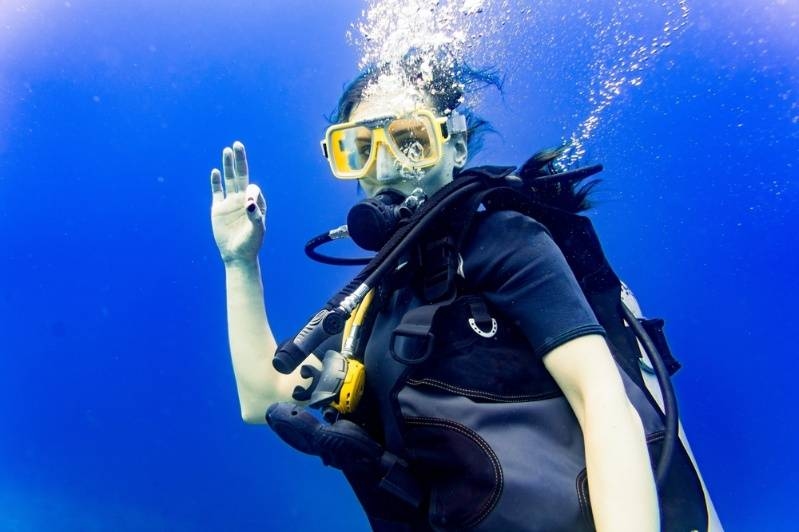
Swimming under the blue water is like visiting a different planet where fish are your neighbors. Many people get excited and make common scuba diving mistakes that can ruin a fun day. Understanding the diving errors beginners often commit is the first step toward becoming a pro in the ocean. By learning about underwater safety mistakes early, every diver stays much safer while watching the pretty coral. Here's the thing: most troubles happen because someone forgot a simple rule they learned in class.
Being underwater is not natural for humans since we need air to breathe all the time. Most scuba diving mistakes happen when a person gets nervous or moves too fast. When someone feels scared, they might forget to look at their air gauge or stay too close to their buddy. It is very important to stay calm so the brain works properly. Let's break it down: a calm diver uses less air and sees more cool sea creatures without getting tired.
What this really means is that holding your breath is the biggest no-no in the sea. New divers sometimes do this without thinking because they are focused on a fish. You must always keep your lungs open by breathing in and out slowly. This helps avoid diving accidents that can hurt the body. Diving safety tips always start with the rule of never holding your breath while going up.
Starting a new hobby is hard, and diving has many steps to remember before you even get wet. Many diving errors beginners make stem from rushing to see sharks or turtles. One big error is not doing a buddy check, where you look at your friend's gear to make sure it works. Scuba risk prevention starts on the boat deck long before the splash. If you take ten extra minutes to check everything, the dive will be much better.
The person in charge of the boat knows the water better than anyone else. If they say stay away from a certain rock, there is a good reason for it. Ignoring the briefing is one of those underwater safety mistakes that can lead to getting lost in a current. Always pay attention when the leader discusses the path and time limits.
Floating perfectly in the middle of the water is like magic, but it takes practice. Many new people kick the ground and make the water cloudy with sand. This makes it hard for everyone else to see. Using your breath to go up and down slowly is one of the best diving safety tips. It keeps the ocean clean and keeps you from hitting sharp rocks.
Safety is the most important part of any trip to the reef. Some underwater safety mistakes can be avoided by just staying close to your group. If a diver swims off alone, they might run out of air with nobody to help them. Scuba risk prevention means always having a friend within reach. This simple rule saves lives every single day in the ocean.
Check your pressure gauge every few minutes, even if you feel fine. Some people wait until the needle is in the red zone to tell the leader. That is way too late and causes stress. To avoid diving accidents, start heading back to the boat when you still have plenty of air left for the safety stop.
Your ears might pop when you go deep, just like on an airplane. If you don't clear your ears regularly, they will start to hurt a lot. Never push through the pain because that can cause a real injury. Diving safety tips suggest gently blowing through your nose while holding it shut every few feet as you descend.
Thinking about what could go wrong helps you stay ready for anything. Scuba risk prevention is about being prepared with the right tools and a smart mind. For example, carrying a small knife or a pair of shears can help if you get tangled in an old fishing line. Also, wearing a bright buoy helps boats see where you are when you surface. Let's break it down. Being safe makes the sport way more relaxing for everyone involved.
Every dive should have a plan that includes how deep you will go and how long you will stay. Going deeper than your training allows is a recipe for trouble. To avoid diving accidents, stay within the limits on your computer or dive table. Even if a pretty cave looks fun, don't go inside unless you have the special training for overhead environments.
Being tired or sick makes scuba diving mistakes more likely. If you have a cold, your ears won't clear, and you will be stuck on the boat. Eat a good breakfast and drink lots of water so your body can handle the pressure changes. Diving errors that beginners often make often stem from being too exhausted to think clearly underwater.
Even people who have dived for years should review the basics from time to time. The ocean changes every day, and your skills can get rusty if you don't use them. Following diving safety tips means practicing your emergency skills in a pool or shallow water. Knowing how to find your regulator if it falls out of your mouth is a life-saving skill.
Salt water is very tough on plastic and rubber parts. Wash everything with fresh water after every single swim. This prevents scuba diving mistakes caused by sticky buttons or leaking hoses. A well-kept diving safety gear kit is a safe kit.
New technology comes out all the time to help people stay safe. Using a modern dive computer is one of the best ways to avoid diving accidents. It does all the math for you, so you don't have to worry about nitrogen levels in your blood while you look at the pretty colors.
The goal is to have a lifetime of memories under the waves. When you learn to avoid diving accidents, you can relax and enjoy the silence of the sea. Always keep learning, and take an advanced class to get even better. The more you know, the less you have to worry about when you are sixty feet down.
Avoiding common scuba diving mistakes is the best way to ensure your underwater adventures stay fun and safe. By focusing on diving errors beginners make and practicing scuba risk prevention, you can explore the ocean with confidence. Start your journey today and master these vital skills for a better diving experience.
You should check your air at least every 5 minutes. It is good to know exactly how much you have left so you never feel surprised. Telling your buddy your air level helps everyone stay safe together during the whole trip.
If you lose your friend, look around for only 1 minute. If you still don't see them, start to go up to the surface slowly. Your buddy should be doing the same thing so that you can meet at the top.
It is usually better to stay on the boat if you feel unwell. Pressure can make a small headache feel much worse once you go deep. Always listen to your body, and don't force yourself in if you feel bad.
No, you should never touch the coral or the fish. Coral is very delicate and can die if you poke it. Also, some sea creatures have stings or sharp teeth that can hurt you if you get too close to them.
This content was created by AI